Seasonal categories have a very short selling window, usually a few weeks before the holiday. Miss it and the goods are still at sea, or arrive just in time to be discounted. Ordering dates therefore cannot be calculated from the holiday — they must be counted back from the day you intend to go on shelf.
Five stages to count back
- On-shelf date: the first day you want the goods sellable in store or warehouse.
- Local delivery and clearance: from the destination port to your warehouse, allowing for customs and inland transport.
- Time at sea: transit varies greatly by route, and peak season brings tight space and port congestion.
- Production and inspection: materials, printing, assembly, packing and inspection all take time, and custom lines take longer.
- Order and deposit: suppliers schedule production only after the deposit arrives — frequently overlooked.
Adding these five gives your real latest order date. Many customers only start asking for prices two or three months before the holiday, by which point the time left for production and shipping is already compressed to the limit.
Why peak-season production is slower
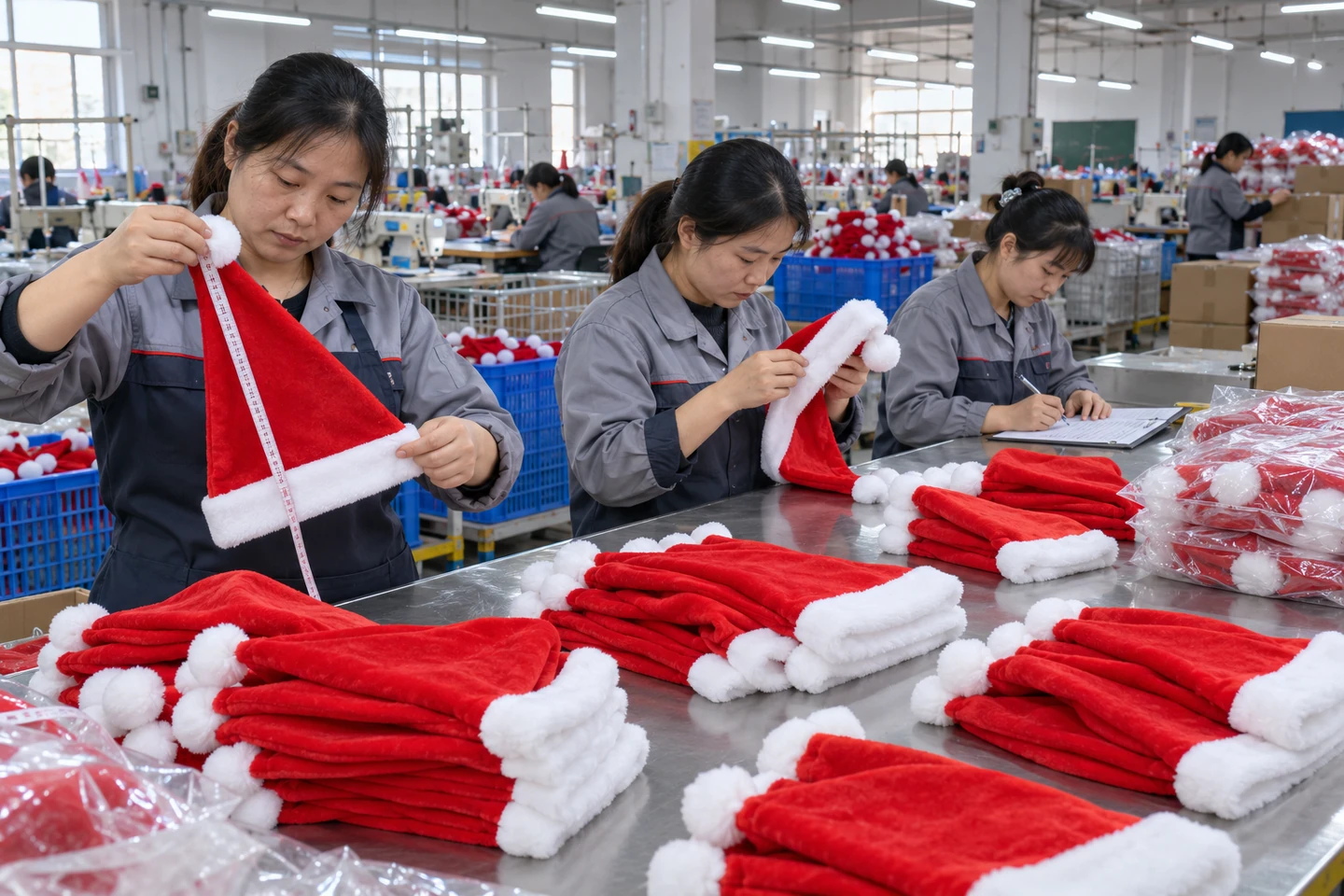
Seasonal demand is a pulse: every customer wants the same categories at the same time. Factory capacity is finite, and printing, die-cutting and assembly are bottlenecks, while paper, plastic and packaging materials also tighten in peak season. This is industry structure, not supplier stalling. The real value of ordering early is getting ahead in the production queue.
Two common mistakes
- Putting all seasonal categories into one order: if one style is delayed, the whole container is held up. Splitting core lines and themed lines into separate schedules is safer.
- Choosing the slowest shipping method to save money: the freight saved in peak season is usually repaid many times over in discounts after missing the selling window.
A workable approach
Split seasonal categories into three batches. The first is year-round and basic colour lines that can be ordered early and shipped slowly. The second is the main themed range scheduled to the window. The third is top-up, covered by LCL or air. This controls cost without concentrating risk in one moment.
The value of standing stock
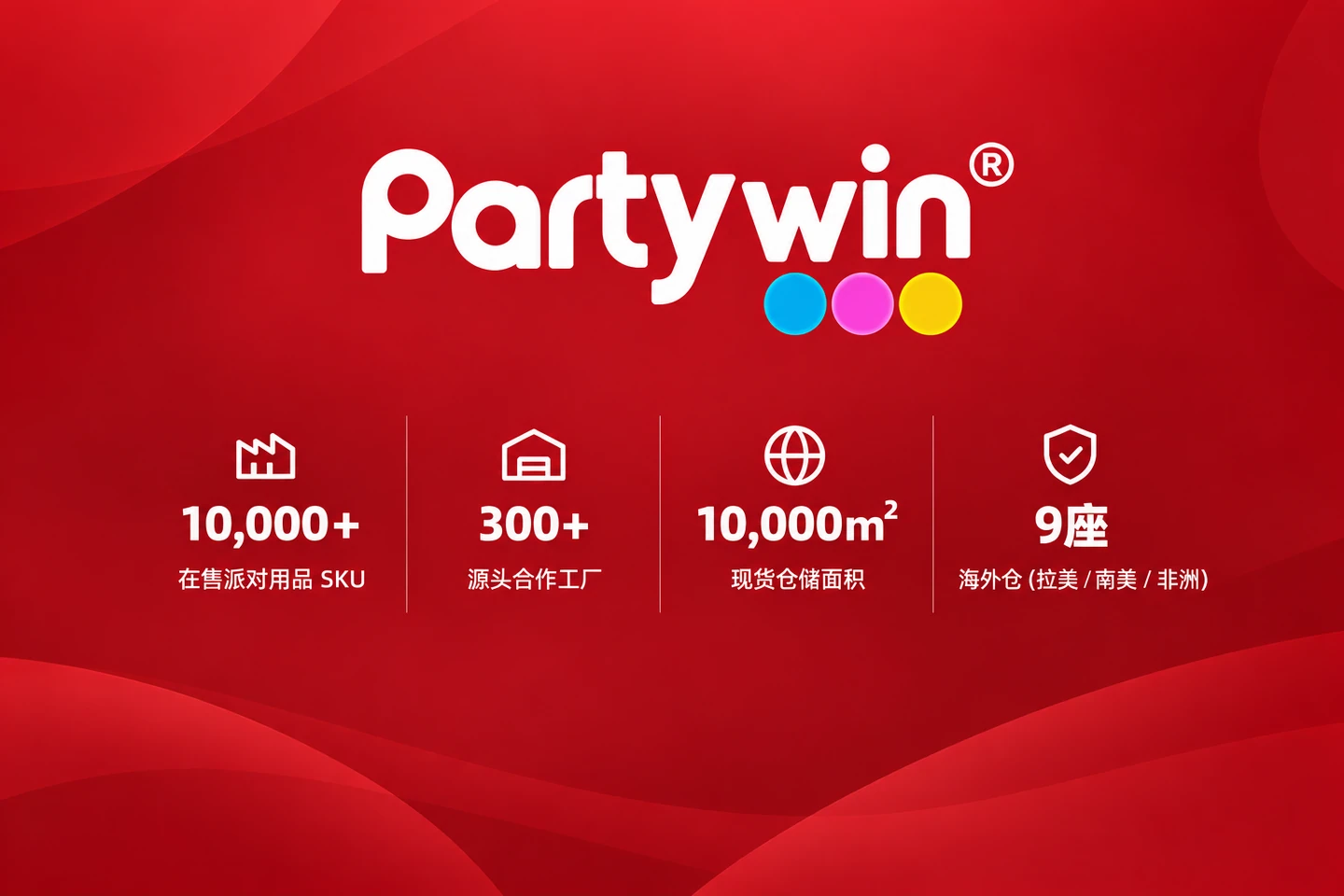
Keeping stock on common categories means peak-season replenishment does not start from zero production. That is why we maintain over 10,000 square meters of stock warehouse and four rolling batches: it absorbs part of the uncertainty into inventory in advance.